Episode #333: Hair Loss in Women: Root Causes of Alopecia, Postpartum Shedding & Thinning Hair
Mar 17, 2026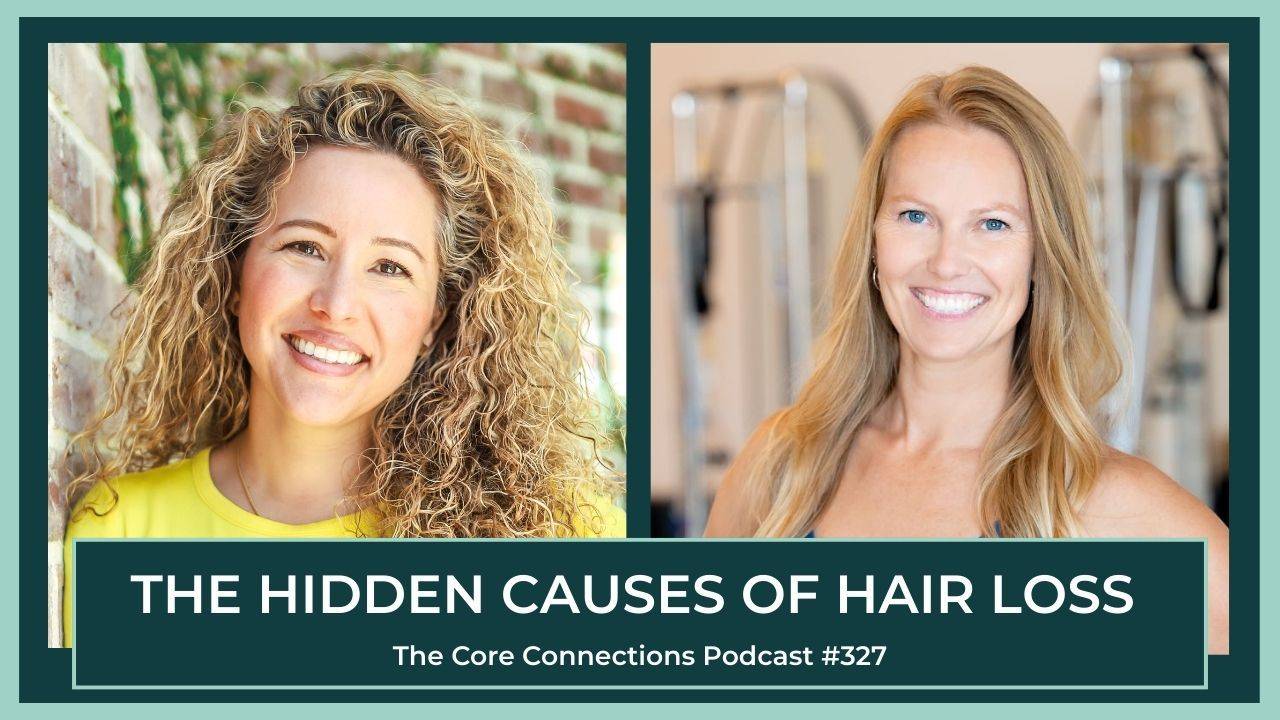
Hair Loss in Women: Root Causes of Alopecia, Postpartum Shedding & Thinning Hair with Johanna Dahlman
Hair loss is one of the most common health concerns women experience — yet it’s rarely talked about openly.
Whether it shows up as thinning hair, excessive shedding, postpartum hair loss, or alopecia, many women are told their labs are “normal” or that hair loss is simply part of aging.
But hair loss is often more than a cosmetic issue.
In many cases, it can be a signal from the body that something deeper needs support.
In this episode of the Core Connections Podcast, I sat down with hair growth coach Johanna Dahlman, also known as the Alopecia Angel, to talk about the root causes of hair loss in women and why a personalized, whole-body approach matters.
Johanna shares her personal journey with alopecia areata, the autoimmune condition that caused her to lose patches of hair in her 30s — and how addressing deeper health factors helped her regrow her hair and reclaim her health.
If you’re experiencing hair thinning, postpartum shedding, or alopecia, this conversation may help you start asking the right questions about what your body may need.
>>LISTEN HERE ON APPLE PODCAST<<
Episode Timeline
01:50 – Why hair loss is such a common concern for women
05:30 – Why asking better questions matters in healing
07:20 – Different types of hair loss women may experience
09:42 – Is hair loss always connected to autoimmunity?
11:01 – Hair loss as a symptom of deeper root causes
13:47 – Why waiting is not a strategy with hair loss
15:58 – The difference between scalp-focused care and root-cause healing
16:15 – Gut health, diet, lifestyle, and testing
17:36 – Why conventional healthcare often misses the bigger picture
20:46 – Why personalization matters in healing hair loss
23:31 – Common blind spots in lab interpretation
24:24 – Postpartum hair loss: what’s common and what to watch for
27:55 – Prevention, nourishment, and support during postpartum
28:15 – Midlife and menopause-related hair loss
30:49 – Why women need to prioritize themselves, too
31:46 – Common patterns Johanna sees in women with hair loss
35:22 – Medications that may contribute to hair loss
What Causes Hair Loss in Women?
Hair loss in women can happen for many reasons.
One of the biggest takeaways from this conversation is that hair loss is often a symptom — not the root cause.
Some of the most common underlying contributors to hair loss include:
-
autoimmune conditions
-
thyroid dysfunction
-
postpartum hormonal shifts
-
chronic stress
-
nutrient deficiencies
-
gut health issues
-
medication side effects
-
lifestyle overload
-
hormonal changes during menopause
Hair loss rarely comes from a single factor. Instead, it’s usually the result of multiple stressors on the body over time.
This is why a deeper root-cause approach is often necessary.
You may also notice that hair loss often shows up alongside other symptoms such as:
-
fatigue
-
digestive issues
-
brain fog
-
sleep disruption
-
hormone imbalances
-
inflammation or chronic pain
If that sounds familiar, you may also enjoy reading:
-
“Fascia & Pain: Why Less Intensity = Better Results”
https://www.ericaziel.com/blog/331
Many women experiencing hair loss are also dealing with nervous system stress and systemic inflammation — two factors that can impact overall tissue health.
Alopecia vs. Other Types of Hair Loss
The word alopecia simply means hair loss.
However, there are several different types, including:
Alopecia Areata
An autoimmune condition where the immune system attacks hair follicles.
Telogen Effluvium
Often triggered by stress, illness, pregnancy, or hormonal shifts, causing widespread shedding.
Female Pattern Hair Loss
Gradual thinning typically related to hormones, genetics, and metabolic health.
Scarring Alopecia
A less common condition where inflammation damages hair follicles.
Johanna emphasizes that each person’s hair loss journey is different.
She often describes it as a “1,000-piece puzzle.”
Each woman may share a few overlapping factors, but the full picture is rarely identical.

Postpartum Hair Loss: What’s Normal vs. What’s Not?
Postpartum hair loss is one of the most common types of shedding women experience.
Many women notice increased hair loss between 3–6 months after giving birth, which can feel alarming.
Some shedding can be normal as hormone levels shift after pregnancy.
However, persistent or excessive hair loss may indicate deeper factors such as:
-
postpartum depletion
-
nutrient deficiencies
-
thyroid dysfunction
-
stress and sleep deprivation
-
lack of recovery support
This is one reason why supporting the body during pregnancy and postpartum is so important.
If you're navigating pregnancy or postpartum recovery, these resources may help:
Knocked-Up Fitness® Prenatal Program
https://www.knocked-upfitness.com
Core Rehab Program (for rebuilding the deep core & pelvic floor)
https://www.ericaziel.com/corerehab
Your body needs nourishment and support — not pressure to “bounce back.”

Hair Loss During Menopause and Midlife
Hair thinning during menopause is often blamed solely on hormones.
But hormones are usually only one piece of the puzzle.
Women in their 40s and 50s are often navigating multiple stressors at once:
-
decades of accumulated stress
-
chronic under-eating
-
blood sugar instability
-
gut health issues
-
thyroid changes
-
nutrient depletion
-
nervous system overload
Hair loss during midlife can be a sign that the body needs more support, recovery, and nourishment.
This is also a stage when women may start experiencing symptoms like:
-
joint pain
-
pelvic floor changes
-
fatigue
-
inflammation
If you’re navigating those shifts, you may also enjoy:
Why Fascia Matters for Pain, Strength & Longevity
https://www.ericaziel.com/blog/331
Fascia, nervous system health, and tissue recovery play a major role in whole-body resilience — including hair and skin health.
Why Standard Testing Often Misses Root Causes
Another key theme in this episode is the importance of comprehensive health testing.
Many women only receive basic annual screenings, which may not reveal deeper imbalances.
For example, testing may miss:
-
thyroid panel nuances
-
nutrient deficiencies
-
inflammatory markers
-
metabolic stress
-
digestive dysfunction
When women are struggling with hair loss or chronic symptoms, more thorough testing can often provide clarity.
Understanding the full picture of your health allows for more personalized support.
Are Hair Supplements Actually Helpful?
Hair supplements are one of the first things many women try.
However, Johanna cautions that supplements like:
-
biotin
-
hair/skin/nails blends
-
high-dose vitamin A
are not always helpful — and sometimes may even worsen certain types of hair loss.
That’s because supplementation should ideally be based on individual needs, not generic recommendations.
Hair growth depends on many factors working together, including:
-
nutrient absorption
-
digestion
-
blood sugar balance
-
stress regulation
-
hormone balance
-
overall nourishment
Supplements can support the process — but they can’t replace foundational health.

A Root-Cause Approach to Hair Health
If there’s one major takeaway from this conversation, it’s this:
Hair loss is often a signal from the body.
Instead of masking the symptom, it may be helpful to ask deeper questions:
-
What changed in my health recently?
-
What stressors may be affecting my body?
-
Am I nourishing myself adequately?
-
Are there deeper imbalances worth exploring?
Your body is always communicating.
When we learn to listen to those signals — whether they show up as pain, fatigue, or hair loss — we can begin supporting the body more effectively.
Connect with Johanna Dahlman
You can learn more about Johanna and her work here:
Alopecia Angel Website
https://www.alopeciaangel.com
Johanna also offers educational workshops and resources for women navigating hair loss and alopecia.
Listen to the Full Podcast Episode
You can listen to the full conversation on the Core Connections Podcast to learn more about:
-
alopecia and autoimmune hair loss
-
postpartum shedding
-
menopause-related hair thinning
-
nutrition and lifestyle factors for hair health
-
why personalization matters in healing