

Episode #331: Fascia & Pain: Why Less Intensity = Better Results
Mar 03, 2026
Fascia & Pain: Why Gentler Work Gets Better Results (Less Is More)
If you’ve been told to “roll harder,” “stretch deeper,” or “push through the tightness,” and you’re still dealing with aches and pains… this is for you.
Today I want to talk about fascia as it relates to pain, and why—when it comes to working with fascia—gentle often works better than intense.
This is a foundation of what I teach in my programs and instructor trainings, because when you understand how fascia responds, you can help yourself and your clients get dramatically better, longer-lasting results.
>>LISTEN HERE ON APPLE PODCAST<<
What is fascia (and why it matters for pain)?
I like to call fascia one of our body’s superpowers—because it’s something we can influence, improve, and train.
Fascia wraps around everything:
-
Organs
-
Nerves
-
Muscles (down to the tiny muscle spindles)
-
Ligaments
-
And it forms an outer “web” that connects the body head-to-toe
Here’s the key for pain: a lot of pain is nerve-related. When tissues are compressed and the nervous system feels threatened, the body protects. So sometimes what we actually need isn’t to “break up tightness”…
We need more space in the body.
More length.
More lift.
Better breathing.
Better alignment.
Because when we unload pressure and create space, we often reduce nerve irritation—and pain can change fast.
Why “more intense” can backfire (especially for pain)
There is some research and conversation out there around very intense release methods (like “tempering”). And there may be a place for that—for someone with a lot of muscle mass, lifting heavy, and not dealing with chronic pain.
But for the vast majority of people I work with—especially those with:
-
chronic pain
-
recurring aches and stiffness
-
“getting older” tightness that keeps creeping in
-
desk posture + stress load
super intense release is not what I recommend.
Why? Because if something is painful or aggressive, it can keep your nervous system in fight-or-flight. And when your system is already stressed, pain-sensitive, or guarded, adding intensity often just reinforces the very patterns you’re trying to change.
Foam rolling is the perfect example
Let’s talk foam rolling, because everyone can relate.
A hard roller can feel like it’s doing a lot—sometimes it even feels like “it hurts so good.” You roll… and you might feel relief right away.
But then later?
The tightness comes back.
That’s common when the tissue “lets go” under force… but then tightens right back up because your body experienced the process as threat.
What I recommend instead: softer + longer + more connected
A softer foam roller (or soft ball work) may feel like you’re doing “less,” but that’s the point.
When you roll gently and focus on elongation, you’re not just trying to mash tissue. You’re teaching your body a different message:
-
“This is safe.”
-
“You can lengthen.”
-
“You don’t need to guard.”
For example, quad rolling:
-
Use a softer roller
-
Stay long through your body (that deep core + fascial length cue)
-
Breathe
-
Encourage the tissue to hydrate and adapt, not brace and fight
This is “release” that actually sticks.

Soft ball work: why it helps pain so much
Soft ball rolling against the wall is one of my favorites—especially for people who feel stiff, stuck, or disconnected.
Here’s why it works so well:
-
The ball isn’t “fixing” you
-
It’s giving your brain a tactile cue
-
It helps you get out of “thinking” and into feeling
-
It supports better breathing mechanics
And yes—sometimes it feels like almost nothing. That’s where people’s brains fight it.
Because we’ve been trained to believe:
-
it has to burn
-
it has to hurt
-
it has to be hard
-
or it doesn’t count
But that mindset is often exactly what keeps people stuck.
Breath is the missing link (and it has to be gentle)
If you want true fascia + pelvic floor + deep core integration, you can’t force it.
This is where diaphragmatic breathing matters:
-
not just belly breathing
-
but breathing into the back and sides of the rib cage
-
expanding the ribs on inhale
-
finding a light “zipping up” on exhale without gripping
Sometimes I’ll use a band around the ribs, or have clients lay on their stomach and visualize breath moving into the back body.
This is foundational—and it can feel subtle. But subtle doesn’t mean ineffective.
Subtle is often where the biggest change starts.

Why smaller range of motion is often the gateway to more mobility
When you’re trying to build fascial connection, your body may need to work through a smaller range of motion at first.
That’s not failure. That’s intelligence.
Big ranges too soon can keep the body in compensation patterns. But when you stay small and controlled, you can find:
-
opposition
-
length
-
true alignment
-
deep connection
And over time?
Range of motion often increases naturally—because the body is no longer guarding.
A simple posture reset you can do right now
If you can, try this:
-
Stand tall
-
Keep heels down
-
Shift a little weight toward your toes (without gripping)
So many people live back in their heels, hanging in the low back. A small shift forward often helps you:
-
come out of the low back
-
feel the deep core “turn on” naturally
-
find more length through the body
Also: your feet matter. The feet are a huge input into the fascial system. The more awareness you build there, the more connected your whole body becomes.
Why 10–15 minutes a day works (when it’s done right)
I’m a huge fan of a 10–15 minute daily practice.
Because each morning, fascia tends to be a bit tighter and more dehydrated. A small daily reset helps:
-
rehydrate tissue
-
improve alignment
-
calm the nervous system
-
reinforce better movement patterns
And the bigger goal isn’t just the “session.”
It’s how you sit, stand, breathe, lift, carry kids, carry groceries, and move through your day.
That’s where the transformation happens.
Want to go deeper?
If you want to dive deeper into this work:
Core Rehab
If you want the education + guided practice to reduce pain, improve posture, and rebuild deep core connection, Core Rehab is the best place to start.
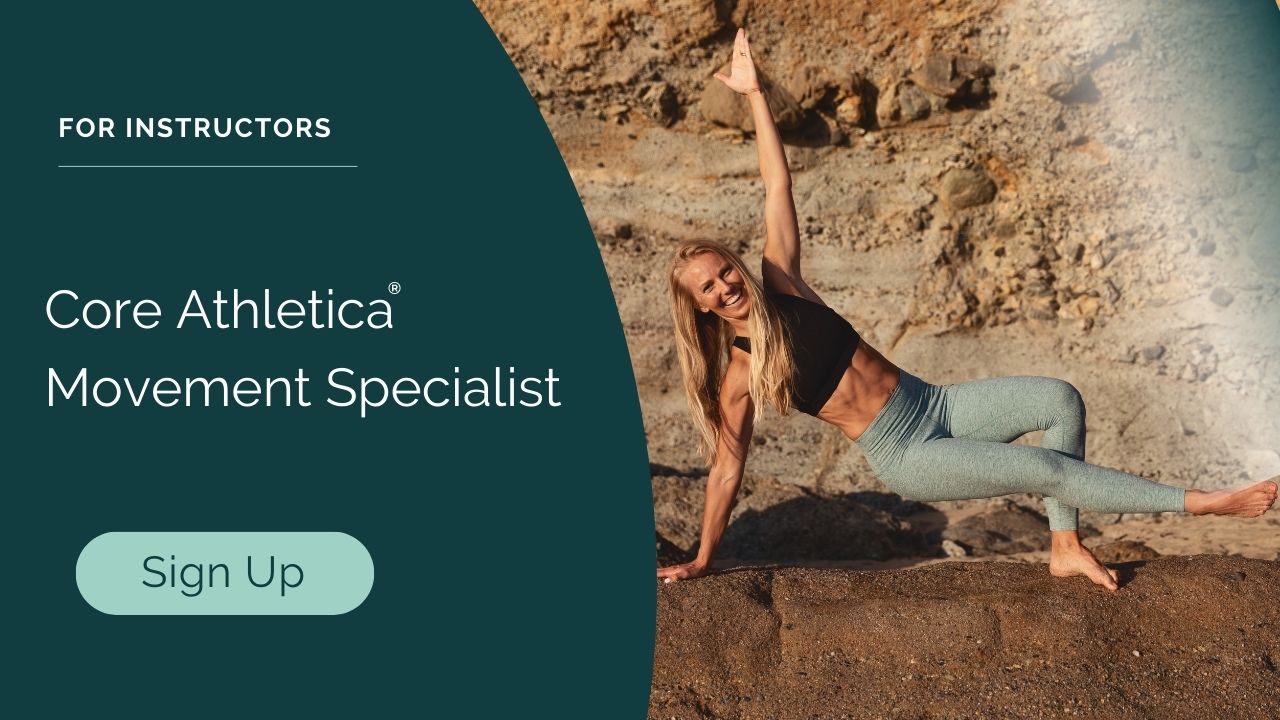
Instructor Training (for movement professionals — or those who want to become one)
If you’re in the movement world (or you’re feeling called to be), this is exactly why I created my instructor trainings:
Most trainings teach “core” like it’s only muscles. But that’s where I see so many people develop:
-
back pain
-
pelvic floor issues
-
neck tension
-
dysfunctional patterns
When we teach core + fascia + breath + nervous system, results change—fast.
And not just for clients… for your body too.
Final takeaway
If you’re not getting results, it’s often not because you need to do more.
It’s because you’re trying to do it too fast.
Less intensity. More consistency.
Smaller range. Better connection.
Gentle breath. Real integration.
And if you have questions, reach out anytime—reply to an email, message me on Instagram, or explore the resources on my site.
Start with my Core Rehab Program here today!


