

Episode 324: Cracking the Code to Infertility: A Functional Medicine Approach with Dr. Stephanie Gray
Jan 13, 2026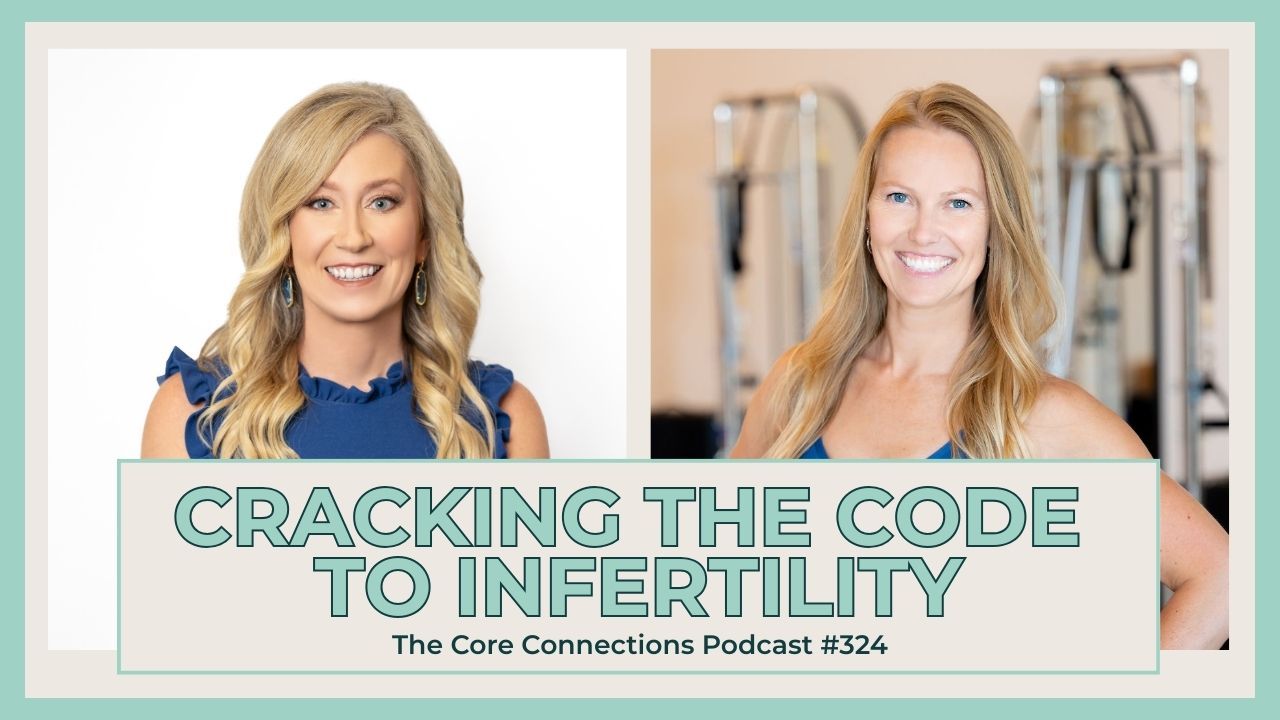
Cracking the Code to Infertility: A Functional Medicine Approach with Dr. Stephanie Gray
Infertility is on the rise, and it's becoming a crisis that affects more couples than ever before. In this eye-opening episode of the Core Connections podcast, I sat down with Dr. Stephanie Gray to discuss her 10-year infertility journey and the hidden factors that conventional medicine often misses. Dr. Gray, who runs a hormone replacement therapy clinic, shares her deeply personal story and professional insights in her new book, Your Fertility Blueprint.
>>LISTEN TO EPISODE #324 HERE<<<
The Shocking Statistics
The numbers are staggering and demand our attention:
- 1 in 6 couples struggle with infertility
- Male fertility has declined 50% in just 40 years
- Female infertility has increased 25%
- Miscarriage rates affect 15-20% of known pregnancies
- IVF success rates remain surprisingly low at 25-30% per cycle for women under 35
As Dr. Gray powerfully states: "If we said cancer rates had increased 25%, everyone would be talking about it, but when it comes to fertility, we're not talking about it."
The Perfect Storm: Why Infertility Is Rising
Dr. Gray identifies several key factors contributing to the infertility crisis:
Environmental Factors
We're facing unprecedented exposure to endocrine-disrupting chemicals in our food, water, and everyday products. Microplastics have been detected in human blood, placenta, and reproductive tissues. Heavy metals and electromagnetic field (EMF) exposure from our technology-saturated lives are affecting hormone signaling and egg and sperm quality. Even mold exposure can impact hormone levels and fertility.
Lifestyle Changes
Chronic stress levels are at historic highs, directly impacting reproductive hormone function. Sleep disruption, circadian rhythm dysfunction, and sedentary lifestyles all alter metabolism and hormone balance. Many couples are also delaying childbearing, which compounds fertility challenges.
Nutritional Shifts
Processed food diets lack key nutrients needed for reproduction. Soil depletion means our foods contain fewer minerals and vitamins than ever before. Gut microbiome disruption from antibiotics, food additives, stress, and inflammatory diet patterns compromise reproductive tissue function.
Medical Factors
There are rising rates of undiagnosed thyroid disorders, increased prevalence of autoimmune conditions, and more women experiencing PCOS and endometriosis. Unfortunately, these conditions are often found seven to ten years later than they should be, when women are in their mid-30s rather than their 20s.
The Birth Control Band-Aid
One critical issue we discussed is how many young women are put on birth control for painful or irregular periods without ever addressing the root cause. Dr. Gray shares: "Whether they're on it for acne or heavy periods, it's literally only a band-aid. We're never correcting the root cause of that dysfunction."
She sees patients in their 40s and 50s who have been on birth control for two, three, even four decades. The problems that led them to birth control in the first place have festered and grown into larger issues that must finally be addressed when they want to conceive.
What Conventional Medicine Misses
Dr. Gray emphasizes that many women are told they have "unexplained infertility" when what they really have is "uninvestigated infertility." Here are the hidden factors often overlooked:
1. Hidden Inflammation
Gut inflammation and dysbiosis can directly impact the uterine environment. As Dr. Gray explains: "The gut sits on the uterus. If our gut's inflamed, how can we think the uterus isn't?" She had to go gluten and dairy-free, and almost a year to the date after eliminating dairy, she conceived her first child.
2. Infections
Low-grade infections can impair embryo implantation. Dr. Gray discovered she had endometritis (a uterine infection) after multiple failed IVF transfers. One telltale sign? Tail-end brown bleeding at the end of your menstrual cycle, which can indicate old blood from infected tissue.
3. Toxic Burden
Environmental toxins aren't just important for women—they affect sperm quality too. Dr. Gray recommends:
- Getting rid of chlorine-laced tampons
- Avoiding chemical hair straighteners
- Switching to non-toxic personal care products
- Not drinking from plastic water bottles
- Having men wear organic, non-flame-retardant underwear
4. EMF Exposure
Electromagnetic frequencies damage DNA and affect egg and sperm quality. Practical steps include:
- Not charging your phone by your head at night
- Turning off WiFi while sleeping
- Using EMF-blocking cases for phones and laptops
- Never carrying phones in pockets near reproductive organs
- Using defender shields under laptops
5. Stress and Nervous System Dysregulation
Your body won't invest in creating new life if it doesn't feel safe. High cortisol levels directly lower progesterone—the hormone essential for conception and pregnancy. As Dr. Gray puts it: "Stress is our body's biggest hormone hijacker."
6. Birth Trauma
Unprocessed birth trauma from a previous delivery can affect future fertility. Dr. Gray nearly died during her first delivery with a postpartum hemorrhage. She didn't realize her body was holding onto that trauma until she worked through it with a provider. Birth trauma doesn't have to be extreme—even births that didn't go as planned can be stored in the body.
7. Blood Flow and Clotting Issues
Impaired blood flow to the uterus can prevent embryo implantation. Dr. Gray discovered she had antiphospholipid syndrome, an autoimmune condition that affects blood flow to the placenta. She also found relief through visceral manipulation therapy, including 20 hours of head-to-toe work at Clear Passage to address scar tissue and improve pelvic organ mobility.
The Pelvic Floor Connection
We discussed how so many women are tight and restricted in their pelvis and pelvic floor. Through breathwork and deep pelvic floor work, we can stimulate more blood flow to areas like C-section scars, helping them "pink back up" and regain healthy circulation. When combined with manual therapy like visceral manipulation, the results can be transformative for fertility.
The Seed Oil Problem
We also dove into why seed oils are particularly harmful for fertility:
- They're highly inflammatory
- They damage cell membranes
- They cause oxidative damage to mitochondria in eggs and sperm
The primary offenders include soybean oil, canola oil, corn oil, sunflower oil, safflower oil, cottonseed oil, rapeseed oil, and rice bran oil. These hide in salad dressings, mayonnaise, sauces, fried foods, packaged snacks, and even "healthy" plant-based products.
Better alternatives: Grass-fed beef tallow, grass-fed butter and ghee, pasture lard, duck fat, extra virgin olive oil, avocado oil, coconut oil, and MCT oil.
Faith and Persistence
Dr. Gray's journey wasn't just physical—it was deeply spiritual. She openly shares the difficulty of going to church on Mother's Day after a miscarriage and sitting behind a family with ten children. She reminds us it's okay to feel angry, jealous, and frustrated during the fertility journey.
Her mother was her prayer warrior, constantly reminding her: "There's purpose in this pain. You will get there." Dr. Gray made a promise to God that if she was blessed with a child, she would share her story to help others—and that's exactly what she's done.
Where to Start
If you're struggling with infertility, Dr. Gray recommends focusing on these three areas first:
- Stress Reduction - Signal to your nervous system that it's safe to create and sustain new life
- Environmental Cleanup - Reduce toxin exposure and EMF radiation
- Anti-Inflammatory Eating - Many of Dr. Gray's patients conceived simply by eliminating their food sensitivities (gluten, dairy, eggs, soy)
She also emphasizes the importance of comprehensive lab testing. In her book, Your Fertility Blueprint, she includes a complete list of labs that should be run when investigating infertility. Some patients only needed their progesterone or T3 optimized to conceive.
A Message of Hope
Dr. Gray's final words are powerful: "I want to be a hope dealer for infertility. Knowledge alone isn't enough—you need faith, persistence, and support. Faith and science aren't opposites; they can be partners. Your struggles don't define you, but your persistence does. Don't walk this journey alone."
After a 10-year journey that included stage 4 endometriosis, six failed IVF transfers, infections, autoimmune conditions, and birth trauma, Dr. Gray now has two beautiful children. Her story is proof that there is hope, even when the path seems impossible.
Resources
You can find Dr. Stephanie Gray's book, Your Fertility Blueprint, on Amazon or at yourlongevityblueprint.com. Use code CORE for 10% off. The book includes free resources, including a comprehensive lab handout for fertility testing.
Be sure to check out Dr. Gray's podcast Your Longevity Blueprint where she shares a detailed two-part series about everything she went through to bring her two children into the world.
Connect with Dr. Stephanie Gray: https://www.instagram.com/stephaniegraydnp/
Remember: Your family is waiting. Don't give up.
Listen to the full episode of the Core Connections podcast to hear more about Dr. Gray's incredible journey and gain deeper insights into the functional medicine approach to fertility.
Have you struggled with infertility? I'd love to hear your story. Share in the comments below or reach out directly. You're not alone in this journey.


